What Kansas City Homeowners Need to Know After the March 10, 2026 Hailstorm
What Kansas City Homeowners Need to Know After the March 10, 2026 Hailstorm
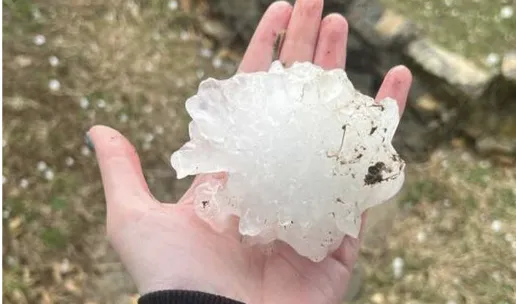
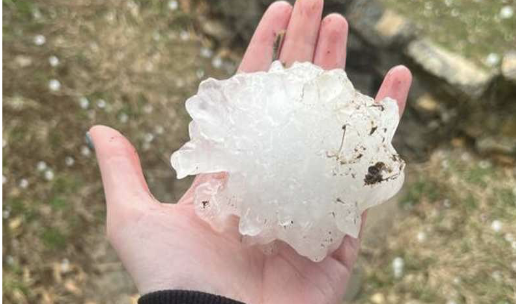
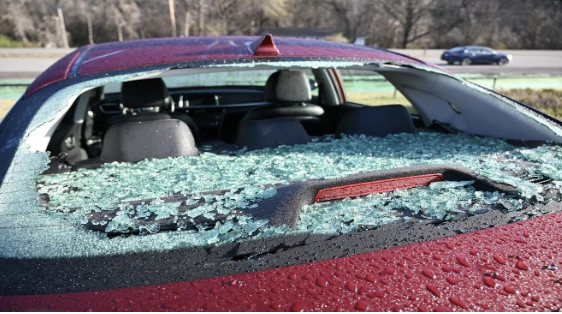
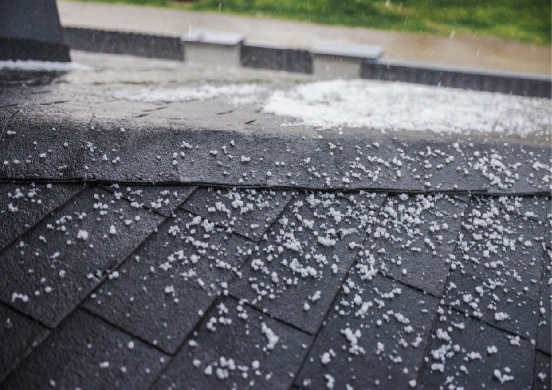
Monday night's hailstorm caught much of the Kansas City metro off guard. By the time it passed, neighborhoods from Parkville to Olathe were left dealing with shattered windshields, battered siding, and roofs that took a serious beating — some from hailstones as large as 4 inches in diameter.
If you live in the metro and haven't taken a close look at your property yet, now is the time.
If you live in the metro and haven't taken a close look at your property yet, now is the time.
Where the Storm Hit Hardest
The worst of the damage was reported across a wide stretch of the metro, including:
Parkville and Lake Waukomis
Weatherby Lake
Kansas City Northland
Overland Park and Olathe
Lee's Summit
Shawnee and Lenexa
Kansas City, Kansas
Hail intensity varied block to block, so even if your neighbor's home looks fine, yours may still have taken damage worth documenting.
Roberts Complete Restoration is offering free storm damage inspections with no obligation.
📞 Call 816-337-7926 and ask for Jim.
Why Your Roof Deserves a Closer Look
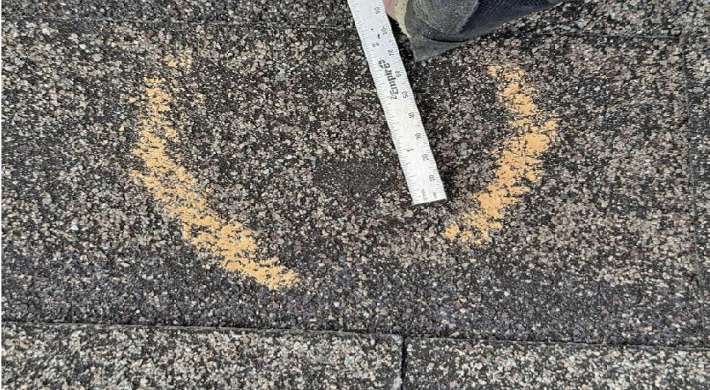
Here's the thing about hail damage — what you can see from the ground is rarely the full picture. Hailstones in the 1–4 inch range don't always punch straight through a shingle. Instead, they weaken it from within. That's what makes storms like this one particularly costly for homeowners who wait too long to act.
What to watch for on asphalt shingles:
Granule loss— The protective coating gets knocked loose, leaving the underlying asphalt exposed to the elements and speeding up deterioration.
Bruising beneath the surface— Soft spots or compression damage that don't crack through immediately but compromise the shingle's structure.
Hairline cracks— Small fractures that won't show up until water starts working its way in during the next heavy rain.
Damaged metal components— Gutters, vents, flashing, and ridge caps often show clear denting that signals the intensity of the impact across the whole roof.
Scattered impact patterns— Widespread hits across the entire surface, even if individually minor, can collectively shorten your roof's lifespan by years.
The good news: this type of functional damage — damage that affects how well your roof protects your home — is typically covered under standard homeowners insurance policies in both Missouri and Kansas.
How Insurance Companies Often Get It Wrong
Most insurance adjusters conduct brief, limited inspections. On a steep or complex roof, that often means large sections go unexamined. The result can be an estimate that only accounts for obvious surface damage, leaving out the subtler issues that will eventually cost you far more down the road.
Common gaps in insurer assessments include:
Undervaluing granule loss as "cosmetic" rather than functional damage
Missing impacts on shadowed or hard-to-access roof sections
Recommending spot repairs instead of full replacement when widespread damage warrants it
Thorough documentation, done early, is your best protection against an underpaid claim.
The Drone Advantage
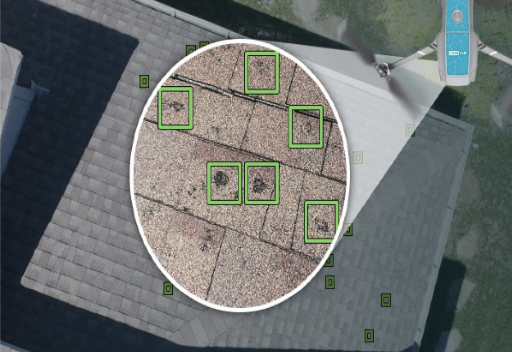
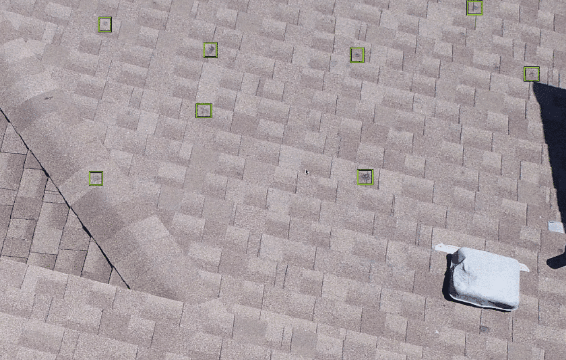
Roberts Complete Restoration uses professional-grade drones to inspect every inch of your roof — safely, quickly, and with a level of detail that ladder-based inspections simply can't match. High-resolution aerial imagery gives you and your insurer a complete, accurate picture of what the storm actually did.
That documentation becomes a powerful tool when it's time to negotiate your claim.
What the Insurance Claim Process Looks Like
If you've never filed a storm damage claim before, here's a straightforward breakdown of what to expect:
Document the storm— Note the date (March 10, 2026) and save any local news coverage or weather reports.
Photograph exterior damage— Gutters, siding, vehicles, and anything else visibly affected.
Get a professional inspection— This is where Roberts Complete Restoration comes in.
File your claim— Submit your documentation to your insurance provider.
Meet with the adjuster— Your insurer will send someone to assess the damage.
Review and negotiate the scope— This is the step most homeowners overlook. Make sure the full extent of covered damage is included.
Complete the restoration— Work with a qualified contractor to get your home back to pre-storm condition.
g an experienced team in your corner at steps 3 through 6 makes a significant difference in the
Why Roberts Complete Restoration
With over 22 years of experience in storm restoration — including team members who previously worked as insurance adjusters — Roberts Complete Restoration understands exactly how insurers evaluate claims and where gaps tend to appear. We handle everything from initial documentation to policy review and claim advocacy, all at no cost to you upfront.
We're A+ rated with the Better Business Bureau and hold a 4.6-star average across more than 400 Angie's List reviews. We're locally based and have helped Kansas City homeowners navigate storm claims for more than two decades.
And if we're not able to help you reach a favorable outcome with minimal out-of-pocket cost, you can walk away — no penalties, no pressure.
Get Your Free Inspection Before the Window Closes
Insurance policies have deadlines, and the sooner damage is documented, the stronger your claim. If your home was in the path of Monday's storm, don't wait for the next rain to find out what the hail left behind.
Roberts Complete Restoration offers: ✔ Free drone roof inspections ✔ Complete hail damage documentation ✔ Insurance claim support from start to finish ✔ No-obligation consultations
📞 Call 816-337-7926 and ask for Jim to book your free inspection today.
📞 Call 816-337-7926 and ask for Jim to schedule your free inspection.